How Real-Time Workforce Data Improves Productivity and Cuts Turnover

Warehouse and distribution leaders make decisions every day that directly impact performance, retention, and customer satisfaction. Yet, many organizations base these choices on outdated reports, incomplete information, or gut feelings instead of clear, real-time insights into what’s actually happening on the ground. The result?
- Productivity issues go unnoticed.
- Turnover patterns remain hidden.
- Scheduling inefficiencies persist.
Without timely workforce visibility, managers are left reacting to problems instead of preventing them. Data-driven workforce management changes that. With the right tools, employers can become more proactive in managing their people—fixing issues before they disrupt operations.
The Costs of Operating Blind
Relying on weekly or monthly reports gives you a snapshot of the past—not a picture of today. By the time patterns appear, it’s too late to intervene, and managers are left dealing with consequences instead of addressing root causes.
According to Deloitte’s Global Human Capital Trends, 83 percent mentioned that their company reports on the state of their organization.¹ However, only 11 percent do in real time, and 43 percent report on an ad hoc basis or not at all. This reveals how blindsided most companies are about their workforce’s well-being.
Manually collecting data also makes things worse. It drains valuable time, leaving supervisors scrambling for solutions instead of focusing on coaching, scheduling, or addressing core business concerns.
Most importantly, operating with limited workforce visibility overlooks early warning signs of turnover risk. The truth is that traditional tracking methods often fail to accurately identify declining engagement. Productivity loss and absenteeism don’t happen overnight. By the time a manager or supervisor detects these factors, an employee could already be preparing to leave the organization.
How Real-Time Data Changes Everything
Here’s where real-time workforce data becomes a game-changer. Instead of finding out next month that three of your best workers were unhappy, you can spot the warning signs this week and actually do something about it.
1. Stop problems before they start.
Staffing data insights reveal patterns such as declining output, increased sick days, or growing disengagement. Are people opting out of non-mandatory meetings? Do they respond to team chats?
Before they start updating resumes, here’s what you can do:
- Address pay concerns.
- Fix scheduling conflicts.
- Resolve workplace challenges.
- Ask for feedback.
2. Boost performance on the spot.
Real-time productivity metrics allow managers to coach struggling employees immediately or recognize top performers. Why wait when you can step in immediately to help or acknowledge employees who are crushing their goals.
According to SHRM, 94 percent of business leaders understand how much people analytics elevates HR departments.² Furthermore, 71 percent stated that people analytics is one of HR’s fundamental strategies.
When you use data correctly, managing people becomes more accurate. Tracking employees in real-time helps delegate tasks accordingly and sets every employee up for success.
3. Make scheduling actually work.
According to Manufacturing and Service Operations, maintaining consistent weekly shifts can boost productivity by up to 7.9 percent.³ This shows how crucial efficient scheduling is. With accurate attendance and performance data, scheduling decisions are not based on guesses. You can see exactly how many people are needed per shift or where they’re needed.
Turnover trends should also indicate which departments or shifts experience the highest turnover rates. This helps you focus on retention and where it will make the biggest difference, instead of spreading resources thin across everything.
Getting Started with Data-Driven Operations
Real-time workforce data works best when you have systems that collect, analyze, and show information in ways you can actually use. Innovative staffing dashboards combine time-tracking, performance monitoring, and attendance patterns in one place. The key is to focus on metrics that help you make decisions:
- Attendance consistency
- Productivity trends
- Quality levels
However, don’t spend your resources on everything. Stick to the data you need to solve real problems.
Equally Important
Have a clear plan of action when data shows concern. If productivity dips, what do you do? If attendance drops, how do you respond? Having these steps ready means you can act fast when problems emerge.
Strategic Partnerships for Maximum Impact
If you want to get the most out of your workforce data, you need to collaborate with staffing agencies that provide more than just filling open roles. Aside from quick staffing solutions, you can also utilize performance intelligence to improve your workforce management. That’s where The Job Center makes the difference.
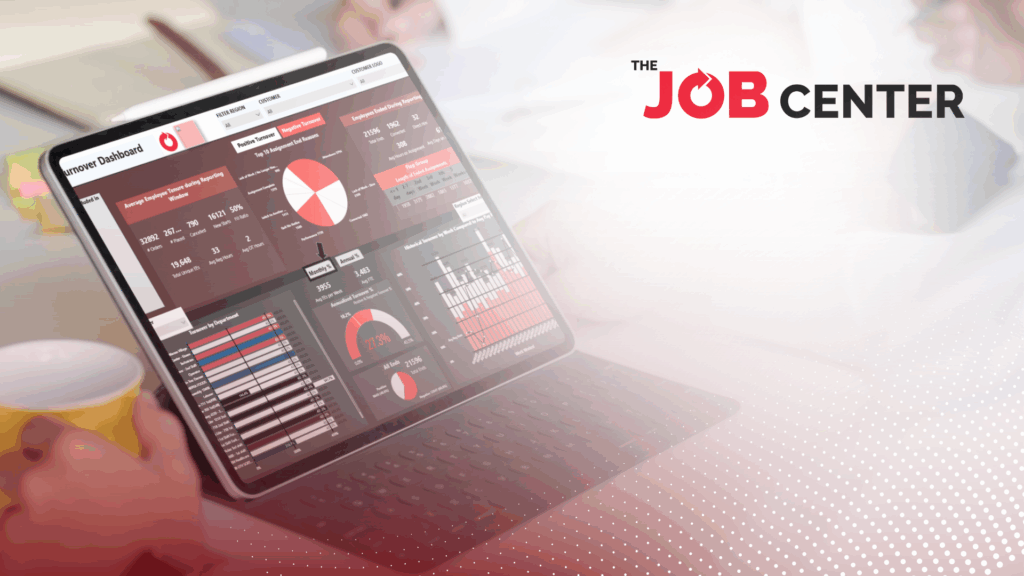
We developed a Turnover Dashboard and Jobview360° to provide companies with insight into placement performance, retention patterns, and productivity trends. Our real-time workforce data platforms enable businesses to make informed decisions that enhance operational efficiency. Our staffing data includes:
- Attendance analysis
- Performance benchmarking
- Engagement tracking
These insights empower organizations to clearly see which hiring decisions generate optimal long-term results—driving both accountability and sustained success. Through comprehensive turnover tracking and productivity analysis, we help clients identify patterns that predict employee success—while addressing challenges before they impact your business.
Read more: Choosing the Perfect Staffing Partner: How to Find the Agency That Will Help You Thrive
Transform traditional staffing relationships into strategic partnerships with The Job Center.
Real-time workforce data moves away from the reactive approach of traditional methods. Not only will you drive operational excellence, but also gain unmatched visibility into team dynamics while building sustained performance improvement.
Ready to transform workforce guesswork into a strategic advantage? The Job Center provides the tools needed to implement real-time data strategies that deliver measurable results.
Book a consultation and let’s talk about how our tools can work for you.
References
- Schwartz, Jeff et al. “Governing workforce strategies.” Deloitte, 15 May 2020, https://www.deloitte.com/us/en/insights/topics/talent/human-capital-trends/2020/workforce-metrics.html
- “The Use of People Analytics in HR.” SHRM, 16 Jan. 2024, https://www.shrm.org/topics-tools/research/the-use-of-people-analytics-in-hr
- “The Impact of Schedule Consistency on Shift Worker Productivity: An Empirical Investigation.” Manufacturing and Service Operations Management, Sep. 2022, https://sites.utexas.edu/rexdu/files/2024/01/the-impact-of-schedule-consistency-on-shift-worker-productivity-an-empirical-investigation.pdf

About
Joey Stoller
Other articles